
Bitcoin Cash Price | Live BCH Value, Chart & Market Analysis

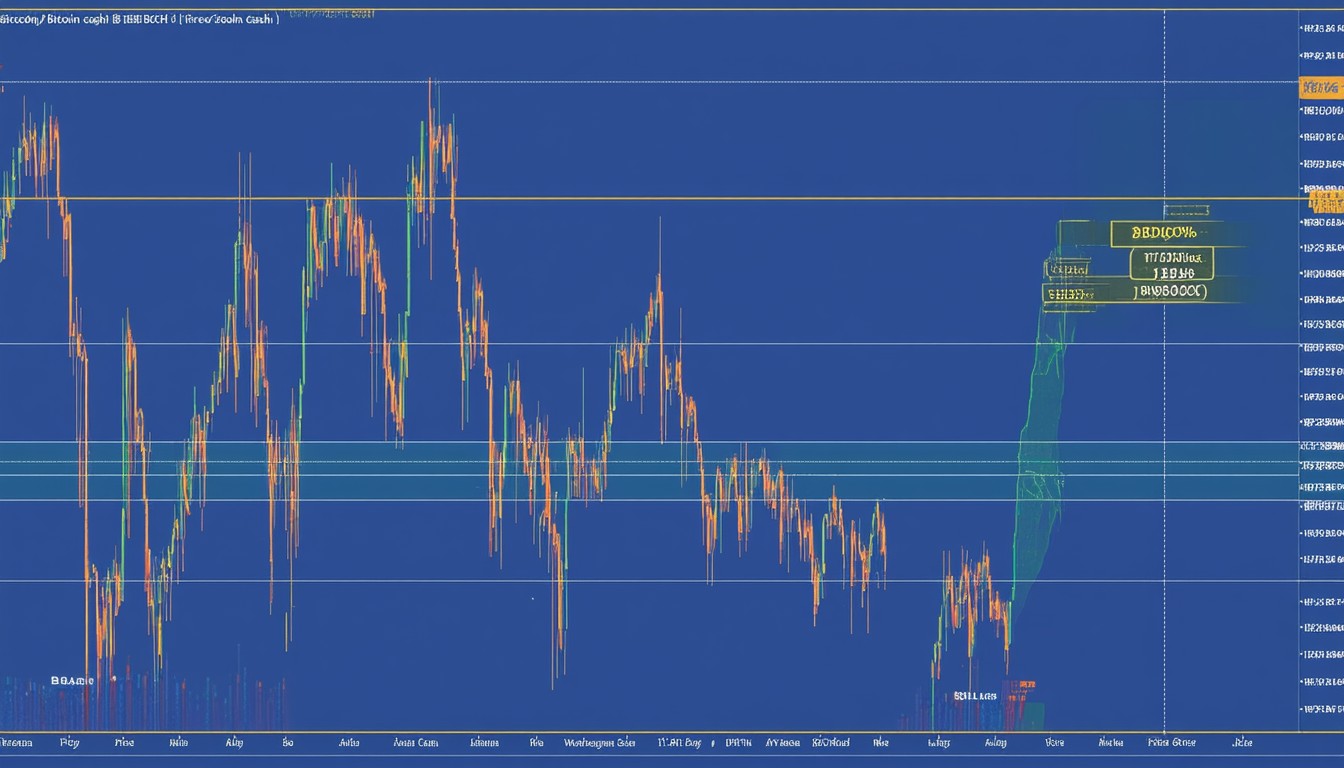
Bitcoin Cash (BCH), launched in 2017 as a fork of the original Bitcoin blockchain, was created to address the transaction speed and scalability concerns plaguing early cryptocurrencies. Since then, the BCH price has evolved in response to shifting investor sentiment, technological updates, and broader trends in the digital asset market. Today, BCH serves as both a digital investment and a daily-use cryptocurrency, with its price movements closely monitored by traders, investors, and merchants worldwide.
While market volatility is an inherent characteristic of all cryptocurrencies, Bitcoin Cash’s price trajectory offers unique insights into the interplay of innovation, competition, and global adoption. Understanding these factors is essential for anyone seeking to interpret live BCH values, analyze price charts, or develop sound market strategies.
Factors Influencing Bitcoin Cash Price Movements
Multiple forces shape the value of Bitcoin Cash at any given moment, ranging from macroeconomic triggers to network-specific developments. A nuanced appreciation of these elements can help demystify the sometimes unpredictable swings in BCH’s market price.
Network Upgrades and Scalability Enhancements
Regular protocol upgrades are central to Bitcoin Cash’s mission of delivering faster and cheaper transactions. Significant updates often draw concentrated market attention. For example, the network’s 2023 upgrade focused on increasing transaction throughput and improving script capabilities, helping to distinguish BCH from its competitors.
Each successful upgrade can foster greater confidence among stakeholders. However, contentious proposal debates or failed upgrades risk denting investor trust, sometimes leading to sharp price corrections.
Influence of Broader Crypto Market Sentiment
No digital asset exists in isolation. The price of Bitcoin Cash often tracks broader market movements, especially those of major coins like Bitcoin (BTC) and Ethereum (ETH). When the crypto sector witnesses inflows from institutional players or regulatory breakthroughs, BCH can experience upward momentum as part of a rising tide.
Conversely, global shocks—such as regulatory clampdowns in major economies or high-profile exchange failures—tend to apply downward pressure across the sector, including on Bitcoin Cash.
Adoption Rate and Merchant Acceptance
One of the core visions behind BCH is its everyday usability. Notably, various e-commerce stores, payment providers, and even brick-and-mortar shops across Asia, Europe, and Latin America have adopted BCH due to its low fees and speed.
“Wider adoption in retail environments can have a particularly notable impact on transaction volume and, over time, price support. The more BCH is used for real-world payments, the more robust its market foundation becomes,” observes blockchain payments analyst Karen Morales.
Supply-Demand Dynamics and Halving Events
Bitcoin Cash shares a capped supply model with Bitcoin, set at 21 million coins. Mining ‘halvings,’ occurring roughly every four years, decrease block rewards and often spark price speculation. While not always producing immediate effects, these events do heighten awareness of BCH’s scarcity, sometimes serving as a catalyst for bullish movements.
Live BCH Value: Understanding Real-Time Prices and Data
For traders and investors, access to accurate, real-time BCH pricing is crucial. Numerous financial platforms and crypto exchanges—such as Binance, Coinbase, and Kraken—provide live market data that reflects the latest spot prices, trading volumes, and order book depth.
Key Data Points on BCH Price Platforms
- Current Price: Typically quoted in USD, EUR, or BTC. Prices can vary slightly between exchanges due to differing liquidity.
- 24-Hour Change: A snapshot of the percentage gain or loss over a rolling 24-hour period, useful for capturing volatility.
- Trading Volume: This reflects the total BCH traded, indicating liquidity and, indirectly, market interest.
- Market Cap: The total value of all BCH in circulation, derived from current price multiplied by the circulating supply.
Real-World Pricing Use Case
Many merchants opt for payment processors that instantly convert BCH payments into fiat currency, shielding themselves from price swings. Major remittance corridors in countries like the Philippines and Nigeria are also exploring BCH as a low-cost alternative to traditional transfer services, which can further affect demand and price momentum.
Bitcoin Cash Price Chart Analysis: Trends, Patterns, and Technical Insights
Analyzing the BCH price chart isn’t just about watching candlesticks rise and fall. Technical analysis incorporates a variety of indicators and techniques to surface actionable insights.
Technical Indicators Commonly Used on BCH Value Charts
- Moving Averages (MA): 50-day and 200-day MAs help reveal whether BCH is entering bullish or bearish territory.
- Relative Strength Index (RSI): Indicates if BCH is overbought (>70) or oversold (<30), signaling potential reversals.
- MACD (Moving Average Convergence Divergence): Highlights changes in trend strength and momentum.
Real Example: Charting Key Turning Points
During periods of heightened anticipation—such as halvings or network upgrades—BCH often exhibits “breakout” price behavior. Historically, a sustained move above the 200-day MA has triggered rally phases, while RSI spikes above 70 often precede short-term corrections.
Volume spikes also signal growing investor interest—especially relevant during phases of market euphoria or uncertainty. Technical analysts may combine these signals to anticipate near-term moves, but it’s critical to balance chart-based insights with news and fundamental drivers.
Market Analysis: Opportunities and Risks for Traders and Investors
The Bitcoin Cash market presents distinct opportunities as well as risks. Both experienced traders and newcomers need a clear framework for navigating this evolving landscape.
Opportunities for Growth
- Payments and Remittances: BCH’s low transaction fees suit peer-to-peer transfers and remittances, potentially expanding user demographics.
- Innovation in DeFi and Applications: Developers are experimenting with decentralized finance (DeFi) products built on the BCH blockchain, providing greater utility and demand.
Key Risks to Monitor
- Competition With Other Blockchains: Rivals like Litecoin, Dash, and Bitcoin SV compete directly in the “digital cash” niche.
- Regulatory Uncertainty: Shifts in government policy or global anti-money-laundering standards can ripple through prices unexpectedly.
- Volatility: As with most cryptocurrencies, unexpected price swings—driven by both market and off-chain events—are a prevailing risk. Prudent risk management is essential.
Summary: Navigating the Future of Bitcoin Cash Price
Bitcoin Cash’s price reflects more than speculation—it’s a dynamic barometer of adoption, innovation, and global economic context. Live BCH values and chart analytics equip traders and investors to make informed decisions, but reading the market requires blending technical insight with awareness of underlying fundamentals and broader sentiment. As the BCH ecosystem matures, usage trends, network innovation, and macroeconomic shifts will continue to play pivotal roles in shaping its value.
FAQs
What drives the price of Bitcoin Cash?
Key factors include technological upgrades, broader crypto market sentiment, adoption by merchants and users, and supply-demand dynamics, especially around halving events.
How does Bitcoin Cash differ from Bitcoin in terms of price behavior?
While BCH often tracks the general direction of BTC, it can experience sharper or more muted movements based on its unique innovations, network events, and specific adoption cases.
Where can I view live BCH prices and charts?
Major exchanges like Binance, Coinbase, and Kraken provide real-time price data, historical charts, and analytics tools for BCH.
What role do halvings play in Bitcoin Cash’s price?
Halvings reduce miner rewards and have historically increased attention on BCH’s scarcity, occasionally acting as a catalyst for price moves.
Is Bitcoin Cash a good investment compared to other cryptocurrencies?
BCH offers fast transactions and low fees, making it attractive for payments; however, like all cryptocurrencies, its price can be volatile, and competitive risks remain.
Can everyday users benefit from BCH price volatility?
Savvy traders may capitalize on short-term swings, but the volatility also poses risks—newcomers should exercise caution and consider both technical and fundamental factors.