
US Government Shutdown: Causes, Impacts, and What to Expect

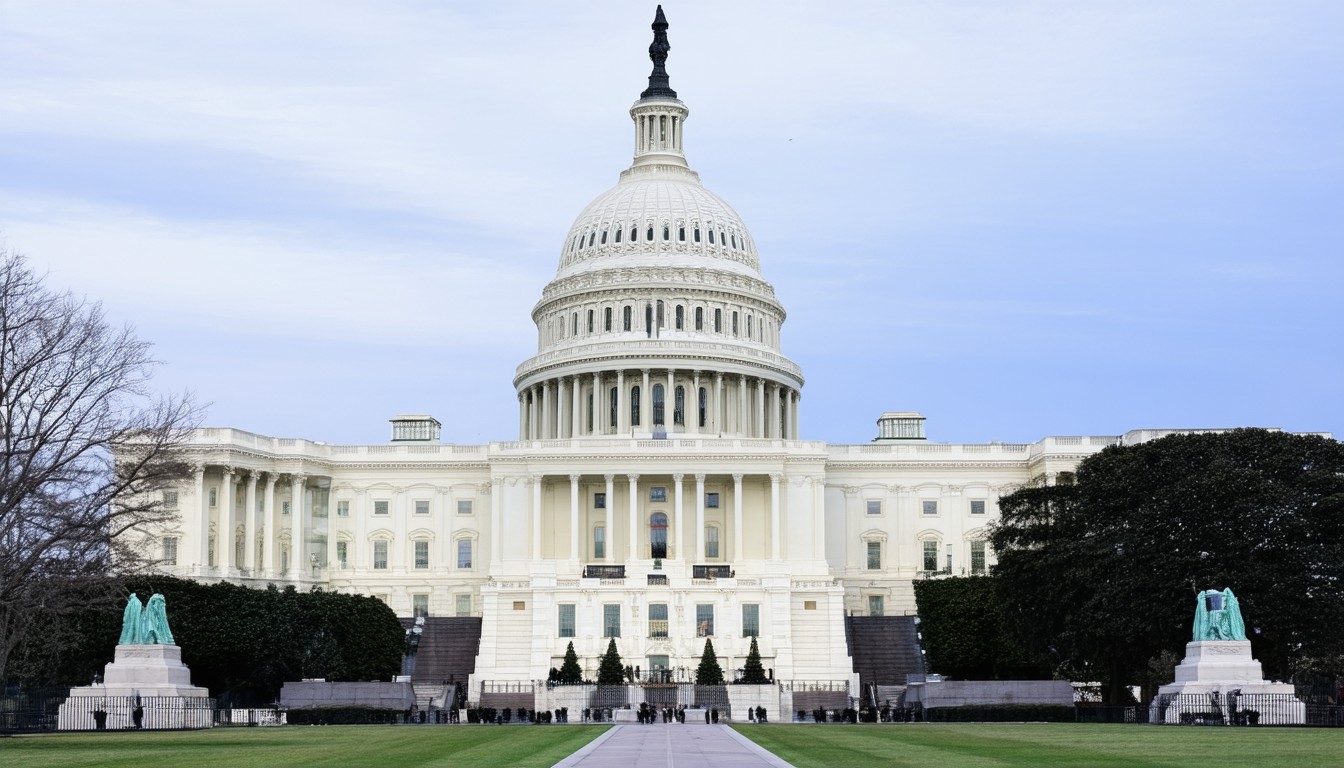
The United States government shutdown is a phenomenon that regularly tests the resilience of the nation’s political framework and the daily functioning of its public services. Far from being a mere budget technicality, a government shutdown can trigger ripple effects across federal agencies, the private sector, and millions of American households. This article delves into what causes a US government shutdown, examines its real-world impacts, and considers what the public can expect if the federal government grinds to a halt.
What Triggers a US Government Shutdown?
The root cause of a US government shutdown is simple in theory: Congress fails to pass appropriations bills—or a short-term funding measure—by the deadline, leaving federal agencies without legal authority to spend money. Yet, the circumstances that lead to this gridlock are complex and deeply embedded in America’s political landscape.
The Appropriations Process and Deadlines
The US fiscal year starts on October 1. By then, Congress is required to approve funding for every federal agency and program. If lawmakers reach an impasse—often over contentious policy issues such as immigration, health care, or defense spending—the government can run out of money.
Short-term extensions, known as continuing resolutions, sometimes buy more time for negotiations. However, recurring disputes, especially in a sharply divided Congress, can cause these stopgaps to fail.
“A shutdown is rarely about the budget numbers. It’s almost always about policy disagreements, political leverage, and the calculation of public opinion,” notes Dr. Laura Young, a political science professor specializing in American institutions.
Political Standoffs: Examples from Recent History
Government shutdowns are not unique to any single era. The most notable have included:
- 1995-1996: A budget clash between President Bill Clinton and the then-Republican-controlled Congress led to a 21-day standoff.
- 2013: Disagreements over the Affordable Care Act prompted a 16-day shutdown.
- 2018-2019: The longest shutdown in US history (35 days) stemmed from a dispute over border wall funding.
In each instance, the inability to reconcile key policy differences resulted in stalled appropriations and widespread disruption.
The Real-World Impacts of a Government Shutdown
While the phrase “government shutdown” can sound abstract, the consequences quickly become tangible when federal services are halted or curtailed. The spectrum of effects is broad, reaching everyone from federal employees to farmers, tourists, and business owners.
Federal Workers and Public Services
When a funding lapse occurs, hundreds of thousands of federal employees are either furloughed or required to work without immediate pay. According to the Office of Management and Budget, previous shutdowns have temporarily idled more than 800,000 government workers. Essential services—such as airport security and national security—typically continue, but many agencies scale back significantly.
National parks, Smithsonian museums, and passport offices may close outright, affecting both tourism and daily life. Critical programs like food assistance and public health inspections can experience delays or interruptions.
Economic Ripple Effects
The broader economic impact of a shutdown depends on its duration and scale. Industry groups, including the US Chamber of Commerce, have warned that sustained shutdowns can reduce economic growth by disrupting contracts, delaying permits, and eroding consumer confidence.
Financial institutions and businesses with government clients may face delayed payments or uncertainty, while small towns reliant on federal workers can feel the pain in local sales. During the 2018-2019 shutdown, federal contractors and gig workers servicing agencies reported lost income that was rarely recouped once normal operations resumed.
What to Expect During a Government Shutdown
For many Americans, the immediate question is, “How will a shutdown affect my life?” The answer varies widely based on occupation, locality, and reliance on government services.
What Stays Open, What Shuts Down
Generally, the following applies:
- Essential Services Continue: Military operations, federal law enforcement, air traffic control, and Social Security benefits typically remain operational.
- Non-Essential Functions Pause: Processing of passports and visas, museum operations, and many regulatory agencies slow down or cease.
- Backlogs and Delays: New business permits, tax return processing, and federal loan approvals stall, creating a bureaucratic bottleneck.
Communication and Uncertainty
The Office of Personnel Management and agency leadership usually provide guidance to federal employees and contractors. Still, uncertainty is prevalent—staff often do not know until the last minute if they should report for work or brace for a furlough.
Political and Public Reactions
Public sentiment toward shutdowns can shift rapidly. During protracted closures, polling often shows a majority of Americans blaming one party more than the other, influencing political calculations and sometimes hastening compromise.
Looking Ahead: Are Shutdowns Inevitable?
While fewer shutdowns would benefit government continuity and the economy, political observers caution that the underlying incentives haven’t changed.
Negotiating contentious issues amid rising party polarization makes budget brinkmanship more likely, not less. Some policy advocates have proposed reforms—such as automatic continuing resolutions to keep government open during negotiations—but these measures have yet to be enacted on a wide scale.
“As long as the budget process is hostage to ideological battles, the threat of a shutdown remains a recurrent risk,” observes Dr. Young.
Conclusion
US government shutdowns are more than procedural snafus—they are high-stakes political standoffs with immediate and broad impacts. Understanding what drives these disruptions underscores the importance of stable governance and bipartisan compromise. As Congress confronts future budget deadlines, the stakes will continue to loom large for federal workers, businesses, and American families alike.
FAQs
What causes a US government shutdown?
A shutdown occurs when Congress fails to pass appropriations bills or temporary funding by the start of the fiscal year, often due to unresolved policy disputes.
How are federal workers affected during a shutdown?
Non-essential federal workers are placed on unpaid leave (furlough), while others may work without immediate pay. Pay is typically restored when the government reopens.
Which government services remain available during a shutdown?
Essential services like military operations, air traffic control, and Social Security typically continue. Many other services, such as national parks and certain administrative offices, may close temporarily.
Do economic impacts from a shutdown extend beyond the public sector?
Yes, private businesses working with government agencies, local economies with large federal workforces, and service contractors can face financial setbacks or payment delays.
Is there a way to avoid future shutdowns?
Some advocates suggest automatic funding measures to keep the government open during budget negotiations, but such reforms have yet to pass in Congress.
How long can a government shutdown last?
Shutdowns can range from a single day to several weeks, depending on how quickly Congress and the president resolve budget disagreements.