Crypto Market Down: Key Reasons Behind the Latest Cryptocurrency Price Drop


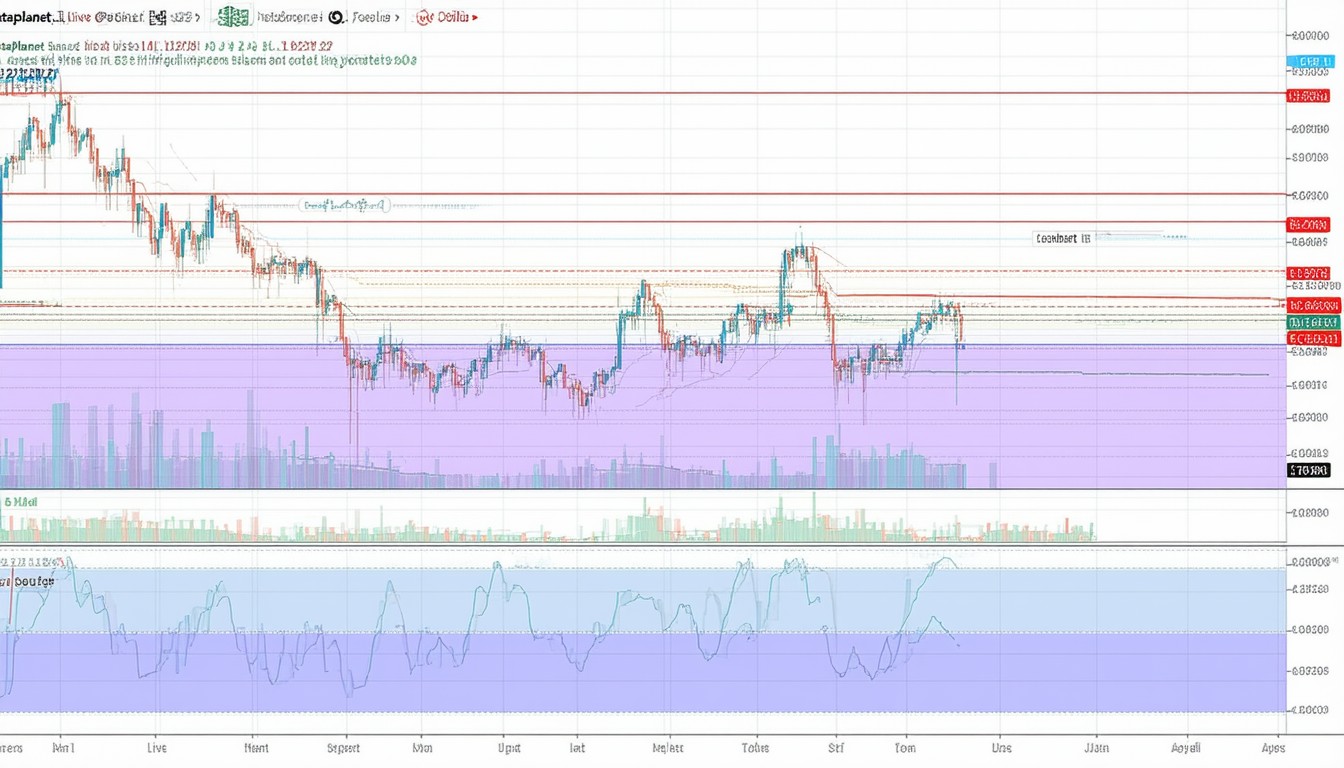
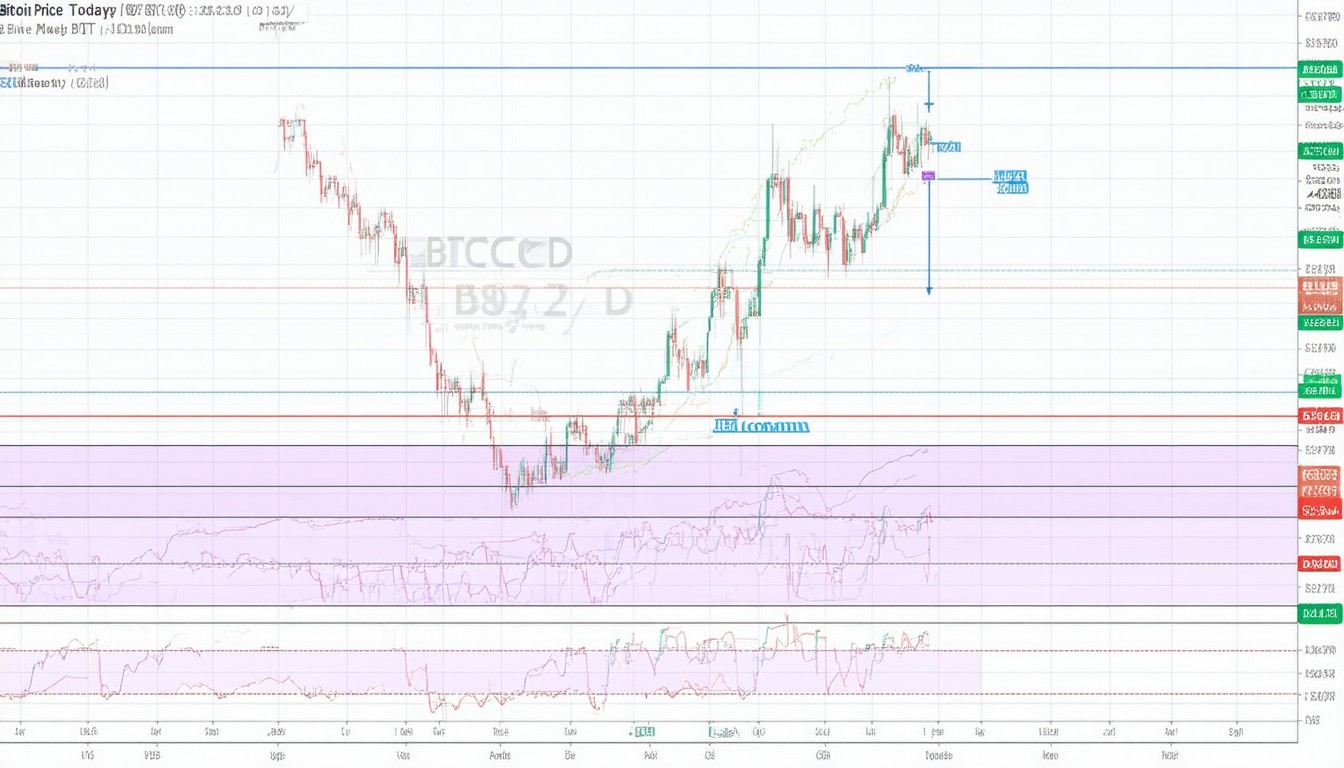
Cryptocurrency markets are renowned for their volatility, but when major price drops occur, investors and observers alike dig deeper, searching for root causes. The recent downturn in the crypto market has triggered heated debates—many asking if this is merely another correction or a signal of shifting fundamentals. While dramatic swings are common in digital currencies, understanding the forces driving the latest decline can help both seasoned traders and newcomers navigate ongoing uncertainty.
Macroeconomic Headwinds: Interest Rates and Inflation
A crucial factor setting the tone for cryptocurrency valuation is the global macroeconomic environment. Throughout 2023 and into 2024, central banks—particularly the U.S. Federal Reserve—have maintained elevated interest rates to combat inflation. Traditional finance assets often become more attractive in such climates, drawing capital away from riskier plays like cryptocurrencies.
Flight from Risk: Lessons from Traditional Markets
Cryptocurrencies have increasingly mirrored broader financial trends. When the stock market faces headwinds, digital assets tend to experience parallel sell-offs. The S&P 500’s downturns have frequently preceded or coincided with sharp drops in the price of Bitcoin and Ethereum. As one portfolio manager at a prominent digital asset fund noted:
“Cryptocurrencies are no longer immune from traditional market cycles. When liquidity tightens and investors grow risk-averse, crypto is often one of the first sectors to feel the impact.”
Beyond mirroring equities, cryptocurrencies often face amplified reactions due to their intrinsically speculative reputation, making them more vulnerable in risk-off environments.
Regulatory Uncertainty: Global Actions Shake Confidence
Regulatory signals remain a defining force for crypto markets. While the prospect of constructive regulation has, at times, sparked market rallies, sudden crackdowns or ambiguous policy directions generally trigger sharp declines.
United States: SEC and Legal Actions
One of the most significant contributors to the latest downturn has been a series of enforcement actions and policy statements by U.S. regulators. The Securities and Exchange Commission (SEC) has stepped up lawsuits and warnings around cryptocurrencies deemed unregistered securities. These moves have led to meaningful outflows from U.S.-based crypto exchanges, as well as temporary suspensions of certain tokens.
Global Developments: China, EU, and Beyond
Outside the U.S., countries like China have further reinforced hardline stances. Reaffirmed bans on crypto mining and trading create supply shocks and sentiment dips. In Europe, the passage of the Markets in Crypto-Assets (MiCA) regulations promises greater clarity—but implementation is uncertain, creating interim anxiety for cross-border traders and project developers.
Exchange Instability and High-Profile Failures
Confidence in digital assets is closely tied to the perceived robustness of ecosystem infrastructure, particularly major exchanges and stablecoins. When leading platforms stumble, market confidence can swiftly deteriorate.
Exchange Outages and Security Breaches
Several high-profile incidents have rocked investor trust. Instances where leading exchanges experience outages during peak volatility create frustration and force-liquidation events. Security breaches—though less frequent with major venues—still cause ripple effects across tokens and lead to panic selling.
The Ripple Effect of Exchange Issues
If a major platform halts withdrawals or faces solvency rumors, waves of sell-offs can sweep through the market. Tether (USDT) and other stablecoins sometimes face temporary “depegging” during such turbulence, sharpening overall volatility.
Fallout from Collapsed Projects
Beyond exchanges, large projects collapsing—such as algorithmic stablecoins or decentralized lending apps—have previously triggered systemic scares. The lingering memory of the Terra/Luna collapse underscores the fragility of investor sentiment in the crypto world.
Market Structure: Leverage, Liquidations, and Sentiment Spirals
Many crypto downturns are made worse by the market’s reliance on leverage and structurally loose risk controls. When prices start to fall, liquidations cascade, multiplying losses for traders and accelerating downward momentum.
Automated Liquidations: How They Magnify Selloffs
Major cryptocurrencies are frequently traded with high leverage—sometimes up to 100x. When prices dip, margin calls and forced liquidations cause more selling, pushing prices down even further. The prevalence of decentralized lending protocols, where smart contracts automatically liquidate undercollateralized positions, amplifies this effect. As a result, a moderate decline can quickly snowball into a steeper slide.
Investor Emotion and Social Media Amplification
Crypto sentiment travels at the speed of Twitter, Discord, and Reddit. Bad news or rumors can trigger mass anxiety, driving herd behavior and rapid fire selloffs. Influential posts and macro headlines can inflame or soothe markets faster than traditional news cycles.
Speculative Excess and Cyclical Corrections
It’s vital to appreciate that the crypto market periodically flushes out speculative excess. When prices surge, new participants arrive en masse, sometimes bidding up assets beyond sustainable levels. Eventually, cycles of profit-taking and reevaluation set in.
Previous Boom-and-Bust Patterns
Historical perspective shows that every significant bull run—whether 2013, 2017, or 2021—has been followed by corrections where overextended projects and speculative tokens lose value. In the words of one industry analyst:
“Crypto’s periodic corrections can be painful, but they serve a crucial function: rebalancing for the next phase of real innovation and adoption.”
The Role of External Events: Hacks, Scams, and Geopolitics
Beyond macro trends and market structure, sudden negative news often catalyzes downward momentum. Major hacks, high-profile scams, and geopolitical shocks can turbocharge sell pressure.
Case Study: Geopolitical Shocks
When international events such as new sanctions or global conflicts arise, crypto can react dramatically—sometimes as a safe haven, but often with investors pulling out to reduce exposure during crisis periods.
Security Breaches Shake Trust
Well-publicized hacks, particularly of large-scale DeFi protocols or exchange wallets, foster immediate fear that ripples across the sector.
Long-Term Implications: Is This the End or a Reset?
Even as prices drop, underlying adoption and development continue at a notable pace. Institutions are experimenting with blockchain applications, and venture investment remains active. These downturns may feel dramatic, but for many industry veterans, they represent cyclical corrections—a chance to build resilience and recalibrate approach.
Conclusion
The latest drop in the crypto market reflects a complex interplay of macroeconomic shifts, regulatory turbulence, infrastructure vulnerabilities, and cyclical dynamics unique to digital assets. While unsettling, such downturns are neither new nor necessarily permanent. The hit to investor sentiment is real, but so too is the continued evolution of technologies and business models. Savvy observers are looking beyond the current correction to the structural factors that will shape crypto’s future—an industry defined as much by its resilience as by its volatility.
FAQs
Why did the crypto market drop recently?
A combination of high interest rates, regulatory scrutiny, and major exchange instability triggered the recent downturn, amplified by leveraged trading and negative sentiment across social media and the news.
Are these crypto declines part of a larger cycle?
Yes, cryptocurrency markets are highly cyclical. Price drops often follow periods of explosive growth and can help reset speculative excess, preparing the ground for more sustainable development.
Do regulatory announcements always cause selloffs?
Not always, but sudden crackdowns or ambiguous legal signals can spark significant short-term panic, especially if they target major platforms, tokens, or countries with large trader bases.
How do exchange issues impact the wider market?
When a major crypto exchange faces technical problems, hacks, or rumors of insolvency, it often leads to rapid selloffs and can increase volatility throughout the digital asset landscape.
Can crypto recover from these types of downturns?
Historically, cryptocurrency markets have rebounded after even severe corrections. Recovery depends on broader financial trends, regulatory clarity, and the ongoing pace of technological innovation.
What should investors focus on during a market correction?
Investors should review their risk exposure, stay up-to-date with regulatory and macroeconomic trends, and focus on projects with strong fundamentals rather than being swayed by short-term market noise.