
ETH/BTC Price Analysis: Trends, Predictions & Key Support Levels

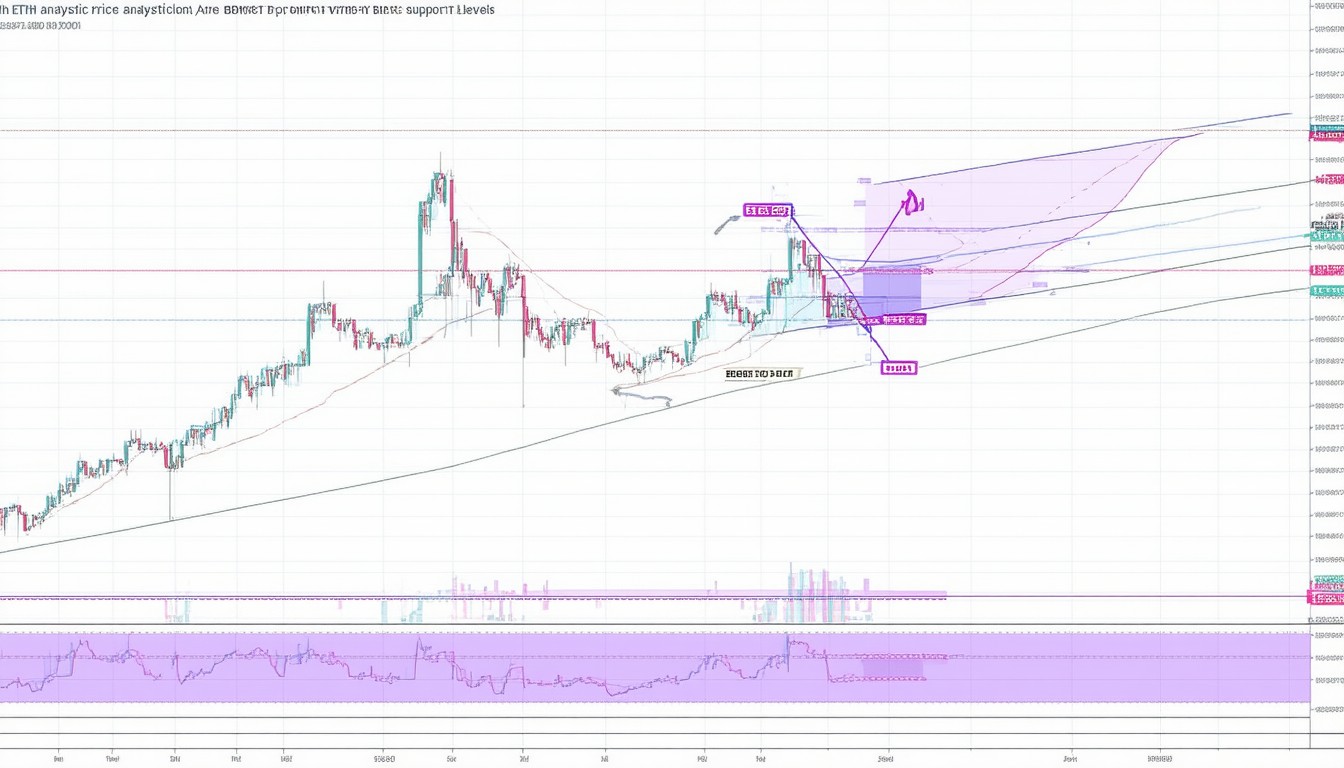
The ETH/BTC trading pair provides a unique barometer for measuring the shifting landscape between two of the most influential cryptocurrencies: Ethereum and Bitcoin. Instead of simply tracking dollar values, this ratio reveals which blockchain is outperforming the other—an essential metric for traders, investors, and analysts navigating the unpredictable tides of the digital asset ecosystem. As new technologies emerge and regulatory frameworks evolve, the ETH/BTC pair remains a key indicator of sentiment and underlying market structure.
Historical Perspectives: ETH/BTC’s Changing Fortune
Ethereum’s Rise and Bitcoin’s Dominance
Bitcoin once ruled the crypto landscape almost unchallenged, its “digital gold” narrative securing the lion’s share of market capitalization. However, Ethereum’s launch introduced an entirely new paradigm driven by smart contracts, decentralized applications, and DeFi innovation. Early on, the ETH/BTC pair saw sharp volatility as Ethereum staked out its position, riding waves of speculation and technological milestones.
ETH’s relative value spiked during periods of major network upgrades, like the 2017 bull run and the DeFi summer of 2020, each time challenging Bitcoin’s dominance. On the flip side, during global risk-off events—such as the 2022 liquidity crunch—Bitcoin often returned to favor as a perceived “safer” crypto asset, and the ETH/BTC pair would retrace lower.
Real-World Example: DeFi Booms and Merge Upgrades
For instance, during mid-2021’s DeFi boom, ETH/BTC neared levels not seen since the ICO craze of 2017, catalyzed by surging activity on Ethereum-native protocols. Later, anticipation around Ethereum’s Merge upgrade in 2022 saw relative strength in ETH, even as broader market conditions wobbled, illustrating how protocol advances can tip the balance in this trading pair.
Technical Analysis: Trends, Patterns, and Key Levels
Charting Recent Movements
Technical analysts assess ETH/BTC with traditional charting tools—support/resistance zones, moving averages, RSI, and Fibonacci retracements—but with nuances unique to major crypto pairings. Historically, ETH/BTC exhibits cyclical movements:
- Rising Phases: Characterized by Ethereum-driven narratives (NFTs, DeFi, upgrades).
- Falling Phases: Marked by Bitcoin regaining favor, often during risk-off periods or BTC-led rallies.
One key pattern: Since 2021, the pair has mostly traded sideways in a broad range between approximately 0.055 and 0.085, establishing these areas as the current support and resistance levels many traders watch.
“The ETH/BTC ratio often signals broader market rotations. Its breakouts or breakdowns usually precede or confirm shifts in leadership between Bitcoin and Ethereum-driven sectors.”
— Michaël van de Poppe, crypto market analyst
Support and Resistance: Current Snapshots
- Major Support: ~0.055–0.060 BTC per ETH. Past sell-offs found buyers here, reflecting relative value hunters entering the market.
- Major Resistance: ~0.080–0.085 BTC per ETH. Repeated rallies have stalled near these levels, reinforcing psychological barriers.
Beyond these, traders monitor secondary zones such as the 0.065 area (mid-range pivot) and use moving averages (like the 200-day MA) to gauge momentum shifts.
Drivers and Catalysts: What Moves ETH/BTC?
Ethereum Catalysts
Several factors drive Ethereum’s outperformance relative to Bitcoin:
- Major protocol upgrades (e.g., The Merge, sharding proposals)
- Growth of DeFi, NFTs, and Layer-2 rollup adoption
- Network fundamentals, such as transaction fees and developer activity
For example, as Ethereum transitions toward a proof-of-stake and potential deflationary regime, many investors see increased value-capture potential compared to Bitcoin’s fixed-supply narrative.
Bitcoin’s Defensive Strength
Conversely, Bitcoin’s dominance reasserts itself in periods of:
- Macro uncertainty and global risk aversion
- Regulatory crackdowns affecting newer blockchain sectors
- “Hard money” narrative regaining traction
When Bitcoin surges in response to institutional flows or as a liquidity flight in risk-off markets, ETH/BTC often declines or consolidates, mirroring a defensive shift in crypto capital allocation.
Future Predictions: Scenarios and Expert Outlook
Scenario 1: Ethereum Grows Into Its Narrative
If Ethereum solidifies its role as the “world computer,” with successful scaling via rollups and multi-chain bridges, the ETH/BTC pair could see another leg higher—possibly retesting the top end of its historic range. Factors supporting this include Ethereum’s burgeoning DeFi ecosystem and ongoing adoption by enterprises.
Scenario 2: Bitcoin Regains Dominance
Should Bitcoin benefit from narrative reinvigoration—such as new ETF approvals, institutional campaigns, or renewed emphasis on sound money principles—it may push ETH/BTC lower, especially if Ethereum faces execution risks or competitive Layer-1 blockchains encroach on its market share.
Measured Consensus
Most analysts agree that the ETH/BTC ratio will remain dynamic, cycling between phases of “Ethereum innovation premium” and “Bitcoin risk-off premium.” The absence of a steady trend—as seen throughout much of 2022 and 2023—reflects an ongoing tug-of-war rather than clear winner-take-all dynamics.
Key Support and Resistance Levels to Watch
Zone-by-Zone Breakdown
- Immediate Support: 0.055–0.060: Recent bottoms, critical for sustaining any bullish reversal in ETH/BTC.
- Mid-Range Pivot: 0.065: Serves as a battleground; flips between support and resistance frequently.
- Resistance Ceiling: 0.080–0.085: Multiple failed breakout attempts here since 2021.
What to Watch For
Price action around these zones—as observed by daily closes, volatility spikes, and volume surges—gives important signals for near-term ETH/BTC direction. Additionally, external events like Fed announcements or major Ethereum upgrades often catalyze decisive moves near these levels.
Conclusion: ETH/BTC as the Crypto Market’s Relative Strength Gauge
The ETH/BTC pair distills the competitive dynamics, sentiment shifts, and innovation races of the entire crypto ecosystem into a single, actionable metric. Traders and investors benefit from monitoring both technical levels and fundamental catalysts, allowing them to adjust strategies as leadership rotates between Bitcoin’s stability and Ethereum’s adaptability. In the coming quarters, expect the ETH/BTC pair to react swiftly to both on-chain milestones and macro currents, underscoring its ongoing relevance for anyone following digital assets.
FAQs
What does the ETH/BTC trading pair represent?
The ETH/BTC pair tracks the price of Ethereum relative to Bitcoin, showing how one outperforms the other regardless of their USD values. It’s a popular tool for traders assessing crypto-sector rotations.
Which factors most influence ETH/BTC movements?
Key drivers include major Ethereum upgrades, Bitcoin news or ETF launches, regulatory developments, and trends in DeFi or NFTs. Investor sentiment around risk and innovation also plays a significant role.
What are important technical levels for ETH/BTC to watch?
Traders commonly monitor ranges near 0.055–0.060 for support and 0.080–0.085 for resistance. Changes in price around these areas often foreshadow broader market momentum.
How does macroeconomic news affect the ETH/BTC ratio?
Wider financial market events, such as interest rate changes or geopolitical tensions, can cause capital to flow between BTC and ETH, impacting their relative performance even if both are rising or falling against fiat.
Can ETH/BTC predict overall crypto market direction?
While it doesn’t predict prices against the dollar, changes in the ETH/BTC pair often hint at shifts in capital between “risk” and “security” segments of crypto, providing clues useful for broader portfolio decisions.
Why does ETH sometimes outperform BTC, and vice versa?
Ethereum may outperform during waves of network innovation or DeFi growth, while Bitcoin generally leads during risk-averse phases or when significant mainstream adoption occurs. Each has unique strengths that appeal under different market conditions.