Polkadot Crypto Price: Live DOT Value, Market Cap & Analysis


Cryptocurrency markets have entered a phase of rapid evolution, with Polkadot (DOT) emerging as one of the most closely watched blockchain networks. Beyond Bitcoin and Ethereum, Polkadot’s interoperability vision and unique protocol have drawn considerable attention from investors and developers alike. However, its native token—DOT—is at the core of speculation, governance, and ecosystem incentives. Understanding the drivers of Polkadot’s crypto price and its market capitalization is essential for anyone navigating digital asset investments, especially in a landscape marked by volatility, regulatory shifts, and technological breakthroughs.
What Influences Polkadot’s Live DOT Price?
The price of DOT, Polkadot’s native token, is shaped by a blend of macro market sentiment, network-specific factors, and evolving use cases. Similar to other digital assets, DOT’s price acts as a real-time indicator of market confidence, utility, and speculative interest.
Market Sentiment and Bitcoin Correlation
For most major cryptocurrencies, including DOT, price action is partly governed by broader market cycles and Bitcoin’s performance. When Bitcoin rises or falls sharply, DOT and other altcoins frequently mirror this trend—albeit with increased volatility. Market psychology, influenced by news cycles, global economic data, and regulatory announcements, creates a highly reactive environment.
A recent trend highlights that, during risk-on cycles, assets like DOT have experienced disproportionate price swings compared to more established coins. DOT’s inclusion in institutional portfolios and derivatives markets has amplified both its exposure and its susceptibility to those broader waves.
Network Development and Ecosystem Growth
Polkadot’s appeal is deeply rooted in its promise of interoperability—enabling different blockchains to communicate securely and efficiently. DOT’s value also tracks tangible developments:
- Parachain Auctions: The rollout of parachains (customizable, project-specific blockchains that connect to Polkadot’s Relay Chain) and their associated auctions have historically fueled significant price surges. Projects competing to lease parachain slots must lock up large DOT amounts, directly reducing circulating supply.
- Developer Adoption: A growing ecosystem of decentralized applications (dApps), bridges, and DeFi projects often coincides with upward moves in DOT’s price.
- Network Upgrades: Key milestones such as protocol upgrades, XCM (Cross-Consensus Messaging) development, and staking enhancements often trigger price movements.
Regulatory Landscape and Market Access
Access to DOT through major exchanges and its regulatory treatment in key jurisdictions, such as the United States and Europe, also play a direct role in price formation.
“Regulatory clarity remains one of the most significant factors determining not just market access, but also the credibility and valuation of projects like Polkadot,” says L. McNamara, an analyst specializing in cryptoassets. “Every regulatory headline or exchange listing has the potential to move DOT’s price considerably.”
Polkadot’s Market Cap: Interpreting the Numbers
Market capitalization—calculated as DOT’s current price times its circulating supply—provides a snapshot of Polkadot’s relative size in the cryptocurrency ecosystem. However, interpreting these figures requires nuance.
Circulating Supply vs. Total Supply
Not all existing DOT tokens are available on the open market. Large portions may be staked for network security and governance, bonded in parachain auctions, or reserved for long-term ecosystem incentives. This distinction can lead to fluctuations in the effective “liquid” supply, creating price dynamics that diverge from surface-level market cap numbers.
Comparisons With Other Layer-1 Blockchains
Polkadot frequently features among the top 15 cryptocurrencies by market capitalization, competing with networks such as Solana, Avalanche, and Cardano. Each protocol offers distinctive approaches to scalability, security, and composability. DOT’s valuation often reflects investor expectations about Polkadot’s competitive advantages—especially its ability to foster a multi-chain economy.
In practice, when Polkadot onboards high-profile projects or secures institutional partnerships, its market cap can experience outsized growth compared to even larger blockchains with less visible momentum.
Technical Analysis: Key Indicators for DOT Price Movements
While fundamentals matter, technical analysis remains an indispensable tool for DOT traders and investors aiming to time market entries and exits.
Support and Resistance Levels
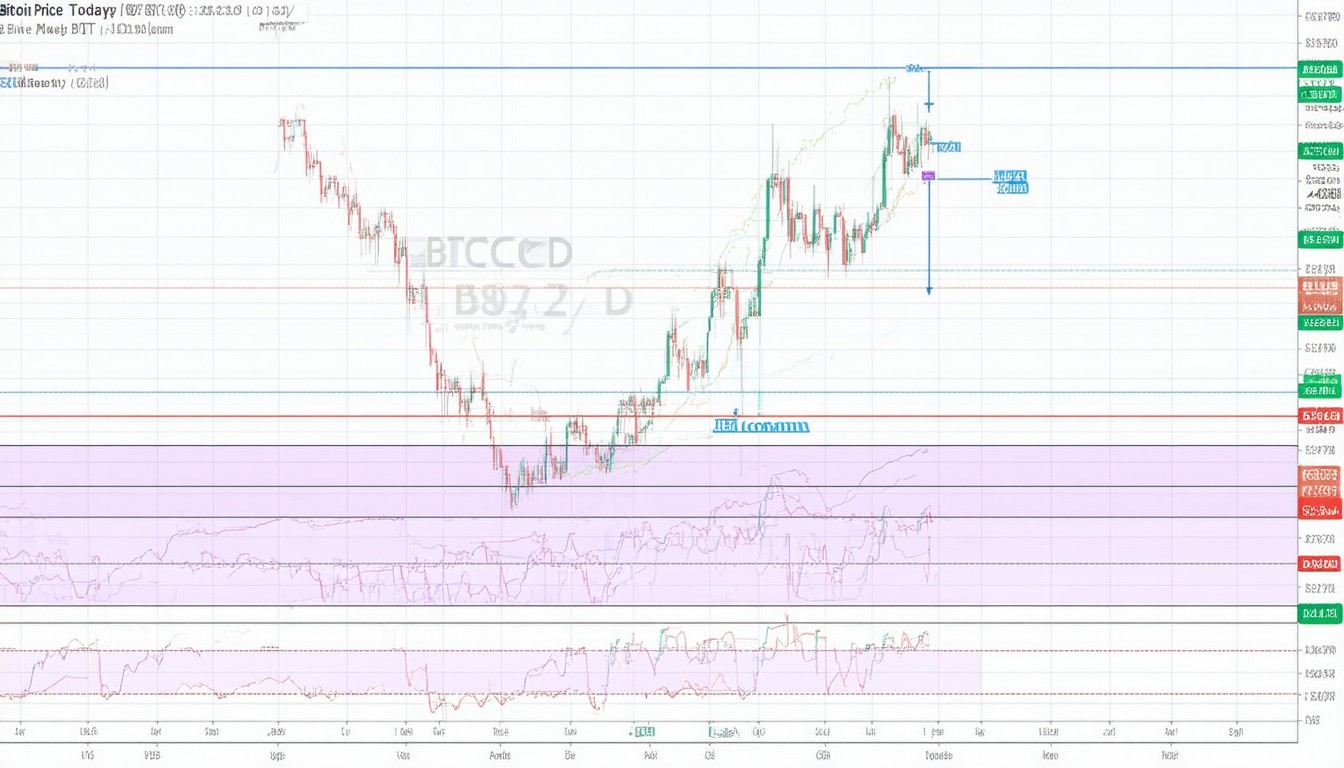
Historical price charts for DOT reveal well-established support levels where buying interest tends to regroup, as well as resistance levels that prove difficult for price to surpass. These thresholds often correspond with psychological benchmarks or previous auction events.
Volume Patterns and Volatility
Sharp spikes in trading volume, especially around key announcements or auctions, can signal the beginning of new trends. Elevated volatility is common both during network milestones (such as parachain slot bidding rounds) and periods of regulatory uncertainty.
Moving Averages and Relative Strength
Popular metrics like the 50-day and 200-day moving averages are widely used to gauge whether DOT is in a bullish or bearish phase. Periods of “overbought” or “oversold” signals—determined through the Relative Strength Index (RSI)—can indicate potential reversals, though always with an eye toward larger macro drivers.
Real-World Scenarios: How DOT Price Responds to Notable Events
Historical data highlights DOT’s responsiveness to ecosystem catalysts. For instance:
- Parachain Auctions Launch: When Polkadot executed its first round of parachain auctions, DOT’s value surged on anticipation and on the actual amount of DOT locked away. The phenomenon not only boosted price but also signaled growing demand for staking and governance participation.
- Major Exchange Listings: New DOT trading pairs or listings on major global exchanges have consistently triggered liquidity spikes and brief rallies, underscoring the importance of market access in price formation.
- Protocol Upgrades: Announcements tied to features such as XCM, which enable cross-chain messaging, often align with investor optimism and price appreciation, particularly when supported by developer engagement metrics.
Risks and Opportunities: Navigating the DOT Market
Cryptocurrency investments entail significant risks—but opportunities as well. In Polkadot’s case, price swings can present both challenges and strategic openings for market participants.
Short-Term Volatility vs. Long-Term Utility
Like many altcoins, DOT is susceptible to sharp corrections during market selloffs and macroeconomic shocks. Yet, its long-term value proposition is often seen in its expanding network effects—the more successful parachains and cross-chain solutions it supports, the more utility and demand for DOT.
Institutional Interest and Staking Yields
Emerging interest from institutional players, alongside attractive staking rewards, has provided sustained demand for DOT. The capacity for holders to earn regular yields through staking participation makes DOT unique among some competitors, although returns can fluctuate based on network activity and governance votes.
Conclusion: Strategic Insights for DOT Observers
Polkadot’s dynamic pricing reflects a web of interlocking factors—technical innovation, developer traction, regulatory status, and ever-shifting investor sentiment. To gain a clearer perspective on DOT’s price movements and market cap trends, it’s crucial to monitor both macro headwinds and Polkadot-specific developments. For those considering entry or expansion into DOT, keeping a close eye on network upgrades, parachain activity, and regulatory shifts will prove invaluable. No matter the market cycle, viewing DOT through both a technical and a fundamental lens remains the mark of an informed participant in the rapidly evolving crypto landscape.
FAQs
What is the primary function of DOT in the Polkadot network?
DOT is used for network governance, staking (to help secure the network), and bonding during parachain slot auctions. Its multifunctional role makes it essential to the protocol’s ongoing operations and upgrades.
How does parachain activity affect Polkadot’s crypto price?
Parachain auctions require participants to lock up large amounts of DOT, reducing circulating supply and often driving up price. Increased demand for DOT during these events typically leads to heightened market activity.
Is Polkadot considered a good long-term investment?
Many view Polkadot’s focus on interoperability and its expanding ecosystem as strong fundamentals for long-term growth. However, as with all cryptocurrencies, DOT carries risks, including regulatory challenges and market volatility.
What are the top factors causing DOT price volatility?
Major factors include Bitcoin correlation, network upgrade announcements, regulatory news, and sudden shifts in market sentiment. Unique ecosystem events—such as parachain launches or major exchange listings—can also trigger price swings.
Where can I track real-time Polkadot (DOT) prices and market cap?
Leading crypto data aggregators like CoinMarketCap, CoinGecko, and major exchanges offer live DOT price, volume, and market cap data. Many platforms also provide historical charts and analytics tools for further analysis.