Spot Crypto Trading: A Beginner’s Guide to Buying and Selling Cryptocurrency

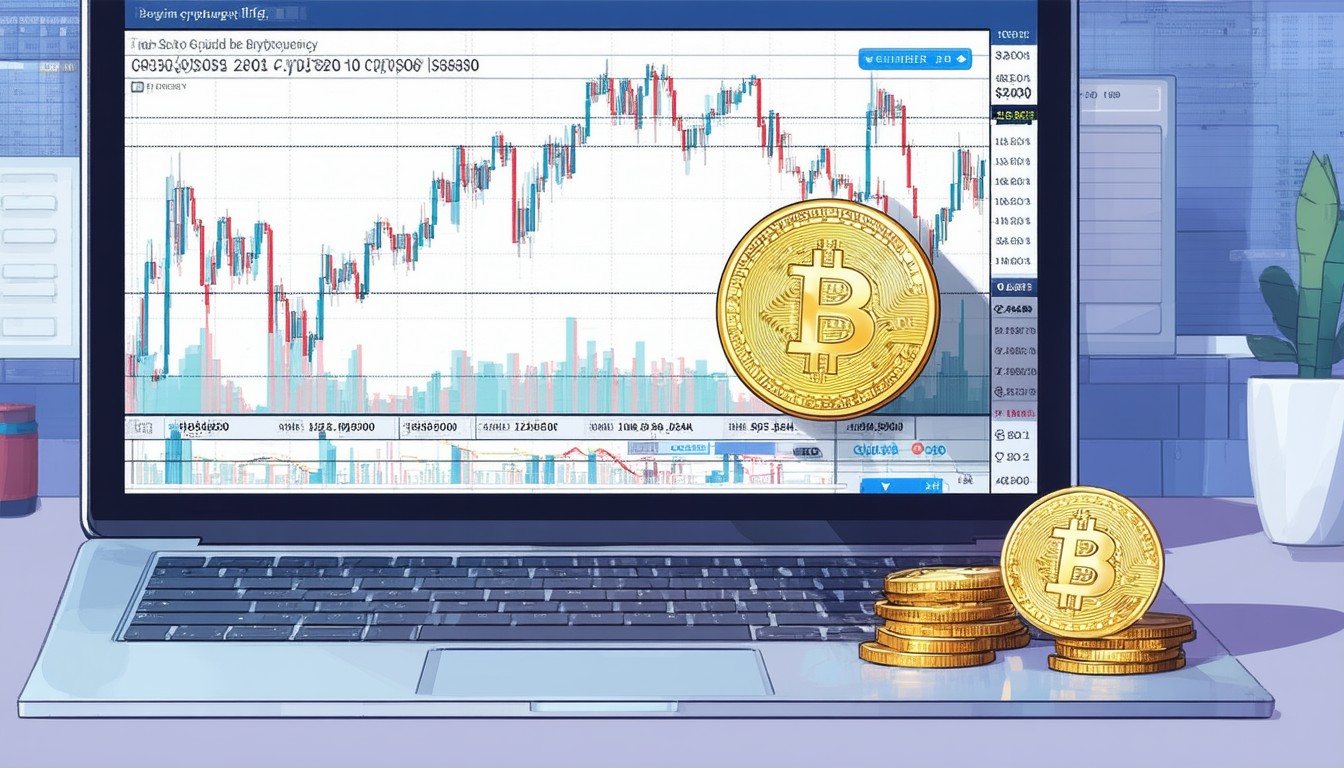
Cryptocurrency has swiftly transitioned from a niche investment to a mainstream asset class, attracting both seasoned traders and beginners. For those starting their journey, spot crypto trading forms the backbone of most buying and selling activity. Unlike derivatives or futures, spot trading involves the direct exchange of cryptocurrencies at current market prices—allowing investors to own the actual digital coins and tokens.
Spot trading platforms such as Binance, Coinbase, and Kraken have lowered barriers for individuals to participate, making it possible to buy, sell, and transfer cryptocurrencies with a few clicks or taps. Amid the rapid evolution of the crypto market, understanding the core mechanics of spot trading is essential for anyone looking to navigate this dynamic landscape responsibly.
How Spot Trading Works in the Crypto Market
Fundamentally, spot trading means purchasing or selling digital currencies for immediate delivery. This contrasts sharply with margin trading or derivatives, where investors speculate on price movement without necessarily owning the underlying asset.
Spot markets set the prevailing price of popular coins—including Bitcoin, Ethereum, and Solana—based on real-time supply and demand dynamics. When an order is placed on an exchange, it is either matched immediately at the best available price (market order) or set to execute only if the market reaches a specified price (limit order).
Step-by-Step Spot Crypto Trade
- Account Creation: Register with a reputable crypto exchange supporting spot trading.
- Deposit Funds: Fund your account with fiat money (USD, EUR, etc.) or other cryptocurrencies.
- Choose Crypto Pair: Select which crypto to buy or sell, such as BTC/USDT or ETH/USD.
- Place Order: Decide between a market order (instant execution) or a limit order (conditional execution).
- Monitor Trade: Track confirmation, holdings, and market activity in your account.
“Spot trading is the foundation for most crypto market activity. It’s where investors actually take possession of digital assets, unlike more complex derivative markets,” notes Marta Rodriguez, a senior analyst at CryptoCompare.
Beyond straightforward buying and selling, spot trading allows users to transfer coins to external wallets, engage in staking, or use them in DeFi protocols—benefits unavailable in many derivative products.
Pros and Cons: Spot Trading vs. Other Crypto Strategies
The appeal of spot trading lies in its clarity and simplicity. Yet, it’s important to recognize both its strengths and limitations compared to leveraged or derivative trading.
Spot Trading Benefits
- Ownership: Traders gain real ownership of digital assets, including the right to transfer, stake, or use in decentralized applications.
- Transparency: Prices reflect actual market value, fostering transparency and straightforward price discovery.
- Reduced Risk: No exposure to leverage means less risk of large, sudden losses.
- Accessibility: Anyone with an internet connection and ID verification can participate.
Spot Trading Challenges
- No Leverage: The absence of leverage limits the potential for outsized gains—returns track asset price changes directly.
- Volatility Exposure: Cryptocurrencies are famously volatile; spot traders incur the full brunt of price swings.
- No Shorting: Profiting from falling prices is more complicated compared to futures or margin markets.
Comparing to Derivatives and Margin Trading
Derivative trading—using perpetual contracts, futures, or options—lets traders amplify bets with leverage, or profit from declining prices through short positions. However, these products considerably increase risk and complexity, and can quickly magnify losses. In contrast, spot trading is recommended for learning the market’s rhythm before experimenting with advanced tools.
Security, Fees, and Platform Considerations
Navigating spot crypto trading requires more than just buy and sell proficiency. Fees, platform security, and regulatory compliance significantly influence user experience and long-term returns.
Exchange Fees
Most spot exchanges charge a commission per trade, usually a percentage of transaction value (often between 0.1% and 0.5%). Some introduce tiered fee models, reducing costs for high-volume traders. Others offer incentives, like reduced fees with native exchange tokens.
Platform Security
Security breaches, unfortunately, are a part of cryptocurrency’s history. The most reputable exchanges invest heavily in cold storage, multi-factor authentication, insurance funds, and proactive monitoring. Users are strongly encouraged to withdraw substantial holdings to private (cold) wallets for added protection.
Regulatory Environment
Leading jurisdictions have enhanced crypto trading oversight, requiring exchanges to comply with Know Your Customer (KYC) and Anti-Money Laundering (AML) rules. These frameworks boost investor confidence but can require additional verification steps.
Real-World Scenario: A Beginner’s First Spot Trade
Consider Alex, a newcomer interested in purchasing Ethereum. After registering and verifying an account with Coinbase, Alex deposits $500, navigates to the ETH/USD trading pair, and executes a market order. The transaction is instant, with ETH credited to Alex’s exchange wallet. Alex later transfers some ETH to a hardware wallet for safekeeping, and holds the rest in the exchange for possible use in staking or further trading.
As digital assets become increasingly integrated into mainstream portfolios, scenarios like Alex’s are playing out globally—highlighting both the accessibility and flexibility of spot crypto trading.
Tips for Successful Spot Crypto Trading
- Start Small: Begin with amounts you can afford to lose; the crypto market’s volatility can be unforgiving.
- Educate Yourself: Regularly follow trusted news, tutorials, and analyst reports to stay informed of market trends.
- Diversify: Avoid concentrating funds in a single cryptocurrency—balancing across several can help reduce risk.
- Use Secure Storage: For long-term holds, use hardware or offline wallets rather than leaving coins on exchanges.
- Review Fees: Carefully compare exchange fee structures; accumulated fees can erode returns for frequent traders.
Conclusion
Spot crypto trading represents the simplest, most transparent entry point into the cryptocurrency ecosystem. By purchasing actual digital coins at prevailing prices, beginners and experienced traders alike obtain the flexibility to hold, transfer, or use assets across diverse platforms. While lacking the leverage and complexity of derivatives trading, spot markets offer critical lessons in market dynamics, security best practices, and asset management. Navigating this terrain responsibly—with an emphasis on security, education, and measured risk—lays the groundwork for long-term success in digital asset investing.
FAQs
What is spot crypto trading in simple terms?
Spot crypto trading is the process of buying or selling cryptocurrencies for immediate settlement. The purchased asset is transferred directly to the trader’s account at current market prices.
How is spot trading different from margin or futures trading?
Spot trading involves actual ownership and settlement of digital currencies, while margin and futures trading lets traders use leverage and speculate on price movements without owning the assets directly.
Can I transfer crypto bought on spot exchanges to my own wallet?
Yes, most spot exchanges allow you to withdraw your purchased coins and transfer them to a wallet you control for safekeeping or further use.
Are spot crypto trades subject to fees?
Yes, spot trades typically incur a transaction fee, which varies by exchange and may depend on your trading volume or other factors.
What are some common risks in spot crypto trading?
The biggest risks include exposure to market volatility, exchange security breaches, and potential loss of funds if private keys are lost or mismanaged.
Do I need to verify my identity to use spot crypto exchanges?
Most reputable exchanges require users to complete identity verification to comply with regulations and ensure a secure trading environment.