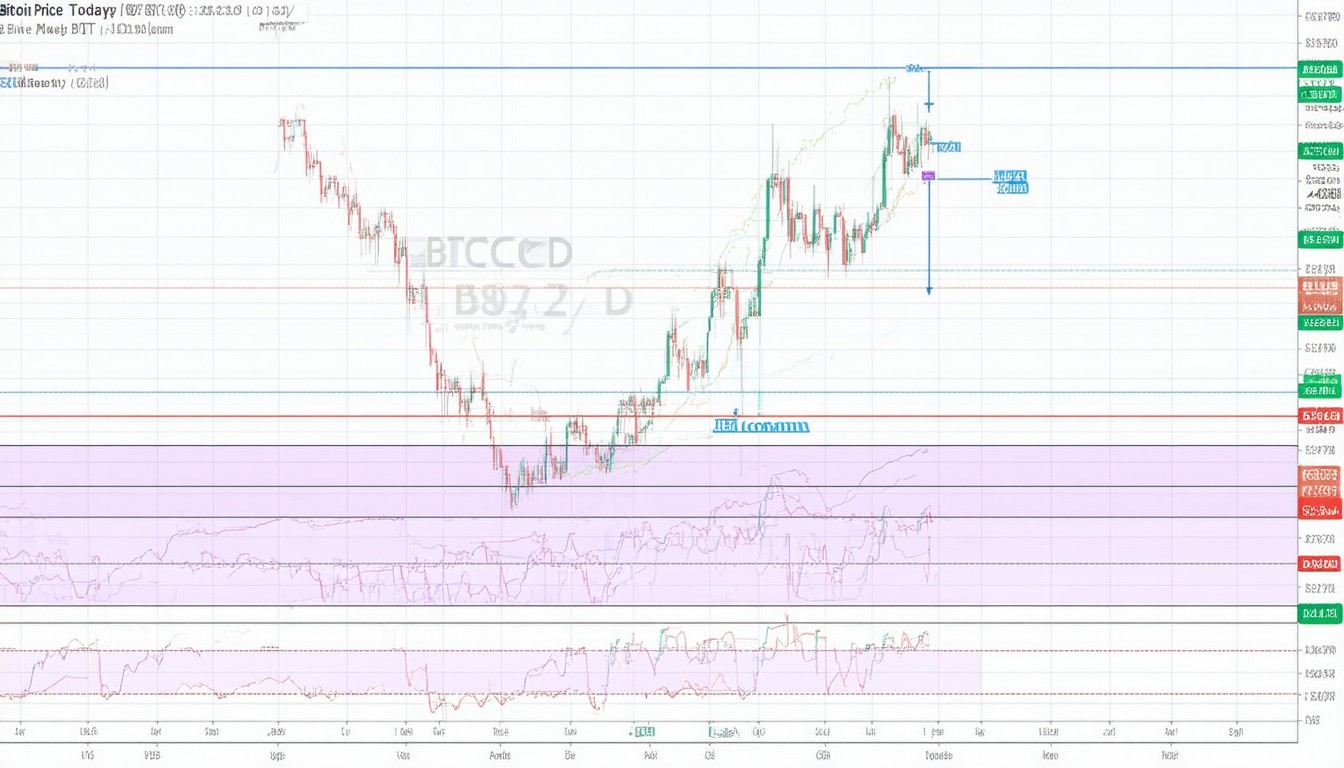
Bitcoin Dominance: Understanding Its Impact on the Crypto Market


Bitcoin dominance is more than just a technical metric; it’s a telltale indicator of the entire cryptocurrency market’s health and investor sentiment. Expressed as a percentage, bitcoin dominance measures the share of the total crypto market capitalization that belongs to Bitcoin (BTC). When headlines tout that Bitcoin holds over 50% dominance, they’re pointing to BTC’s status relative to thousands of altcoins competing for attention and investment.
Understanding bitcoin dominance is crucial for traders, investors, and institutions seeking to navigate the turbulent tides of crypto. This metric can provide a window into market cycles, indicate shifts toward riskier or safer assets, and even signal when “altseason”—the period when alternative cryptocurrencies outperform Bitcoin—may be on the horizon.
The Mechanics of Bitcoin Dominance
Calculating Bitcoin Dominance
At its core, bitcoin dominance is calculated using a simple formula:
Bitcoin dominance = (Bitcoin’s market cap / Total crypto market cap) x 100
Both figures fluctuate constantly due to volatility in prices and circulating supply adjustments, so dominance is rarely static—even within a single trading day.
Why It Matters: Influence Over Market Sentiment
Bitcoin has historically acted as a “bellwether” for the entire crypto ecosystem. Because of its first-mover advantage and largest market cap, swings in Bitcoin dominance often precede or reflect broad shifts in investors’ appetite for risk.
For instance, during periods of market uncertainty or regulatory scrutiny, capital tends to flow into Bitcoin as a perceived safer, more established asset. Conversely, in bull markets—when optimism is high and investors chase outsized returns—dominance often declines as altcoins capture greater market share.
“Bitcoin dominance isn’t just a number; it’s a pulse check for crypto risk appetite. Rising dominance signals flight to safety, while falling dominance lights the way for innovation and risk-taking,” says Jorge Palacio, a digital asset strategist.
Historical Trends and Cycles in Bitcoin Dominance
Early Years: Bitcoin’s Unquestioned Reign
When CoinMarketCap and other data providers began tracking bitcoin dominance around 2013, Bitcoin’s share of the total crypto market was north of 90%. This made sense as Bitcoin was the only widely recognized cryptocurrency in terms of liquidity, infrastructure, and adoption.
Emergence of Altcoins and DeFi: The Decline in Dominance
The advent of Ethereum in 2015, followed by waves of ICOs (Initial Coin Offerings) and DeFi (decentralized finance) protocols, began to eat into Bitcoin’s lead. During the 2017 bull run, bitcoin dominance briefly dipped below 40%, hitting a then-record low as retail and institutional investors experimented with altcoins promising faster transactions, privacy, or programmable features.
Major Corrections and Flight to Safety
Significant crashes, such as the 2018 “crypto winter,” saw bitcoin dominance rebound. Investors, stung by altcoin losses and market corrections, rotated funds back into Bitcoin, reaffirming its role as crypto’s “reserve currency.”
In subsequent cycles, the pattern repeated:
– During market exuberance (such as the NFT and DeFi booms), bitcoin dominance fell.
– After corrections, dominance increased as capital poured back into BTC.
Utility: How Traders and Investors Use Bitcoin Dominance
Market Timing and Portfolio Allocation
Sophisticated traders monitor bitcoin dominance alongside price charts to identify possible inflection points in market sentiment. Rapid declines in dominance may precede strong surges in altcoin prices, signaling the start of an “altseason.” Conversely, a rise in dominance can flag caution, hinting that investors are seeking safety over speculative gains.
Tools and Metrics in Practice
Popular trading platforms—such as TradingView or CoinGecko—offer BTC.D (Bitcoin Dominance Index) as a chartable asset. Combined with indicators like Relative Strength Index (RSI) or Moving Averages, traders build strategies to tilt their portfolios toward BTC or diversify into altcoins, depending on the prevailing trend.
Institutional Perspectives
Beyond retail trading, institutional investors use bitcoin dominance to inform risk management. A rising dominance can justify increased Bitcoin allocations, while a falling one may prompt research into high-potential blockchain projects as diversification plays.
Factors Influencing Bitcoin Dominance
Technological Developments and Protocol Upgrades
Major Bitcoin upgrades (like Taproot or Lightning Network) can temporarily boost investor interest—potentially increasing dominance as confidence grows. Conversely, breakthrough developments on rival blockchains may draw capital away from BTC, eroding dominance.
Regulation and Macro Backdrop
Global regulatory shifts or macroeconomic instability (such as banking crises or sovereign debt risks) frequently sway capital flows. During moments of global stress, Bitcoin, given its perception as “digital gold,” often attracts relative inflows, lifting dominance figures.
Hype Cycles and Social Sentiment
Public excitement around new technologies, such as NFTs (non-fungible tokens) or yield-farming, tends to spark altcoin rallies—lowering dominance. Influencers, major fund flows, or sudden cultural movements (e.g., “meme coins”) can accelerate these swings.
Case Studies: Bitcoin Dominance in Recent Market Cycles
The “Altseason” of 2021
In early 2021, Bitcoin dominance entered a sharp decline, falling from the mid-60% range to near 40% within a few months. This coincided with a meteoric rise in Ethereum, Solana, Cardano, and DeFi tokens, as well as NFT-related coins. By the summer, the ETH/BTC ratio hit multi-year highs, reflecting a decisive investor pivot toward innovation and speculative growth.
2022 Bear Market: Stability Amid Chaos
As digital asset prices broadly fell in late 2021 and through 2022, Bitcoin dominance clawed back market share, exceeding 45% during periods of maximum pessimism. This mirrored previous cycles in which capital consolidation into BTC was seen as an attempt to minimize losses and weather the storm.
Limitations and Critiques of the Dominance Metric
Misleading During Rapid Market Expansion
When new coins launch and their aggregate value climbs, dominance figures can be artificially suppressed—despite relatively little fundamental value in many altcoins. This “dilution” means the dominance metric must be interpreted in context.
Evolving Crypto Landscape
With the rise of stablecoins such as USDT (Tether) and USDC (USD Coin), some analysts argue dominance is less relevant, as these non-volatile assets aren’t a direct substitute for Bitcoin or traditional altcoins. Adjusted dominance metrics attempt to account for this by excluding stablecoin market caps.
Conclusion: Why Bitcoin Dominance Still Matters
Despite criticism and an ever-evolving market, bitcoin dominance remains a vital tool for reading the crypto market’s pulse. It offers context for portfolio decisions, signals market cycle transitions, and highlights investor behavior during both euphoric bull runs and nervous downturns. While no single metric should dictate strategy, tracking bitcoin dominance—alongside price action and fundamental research—helps add nuance and foresight to crypto analysis.
FAQs
What does high Bitcoin dominance indicate?
High bitcoin dominance often signals investors favor Bitcoin over altcoins, typically during periods of uncertainty or market risk-off sentiment.
How is Bitcoin dominance calculated?
Bitcoin dominance is the percentage of Bitcoin’s market capitalization relative to the total market capitalization of all cryptocurrencies.
Can Bitcoin dominance predict “altseason”?
A rapid decline in dominance can sometimes precede periods where altcoins outperform, commonly known as “altseason,” but it’s not a guaranteed predictive tool.
Why did Bitcoin dominance drop in 2017 and 2021?
Both drops coincided with surges in new altcoins and booming interest in Ethereum, DeFi tokens, and NFT-related projects, attracting capital away from Bitcoin.
Is Bitcoin dominance less meaningful with so many stablecoins?
Some analysts believe the growth of stablecoins can dilute the metric; adjusted dominance formulas may remove stablecoins for a more accurate view.
Should traders use bitcoin dominance alone to make decisions?
While helpful, dominance should be combined with other technical, fundamental, and sentiment indicators for a more comprehensive market read.