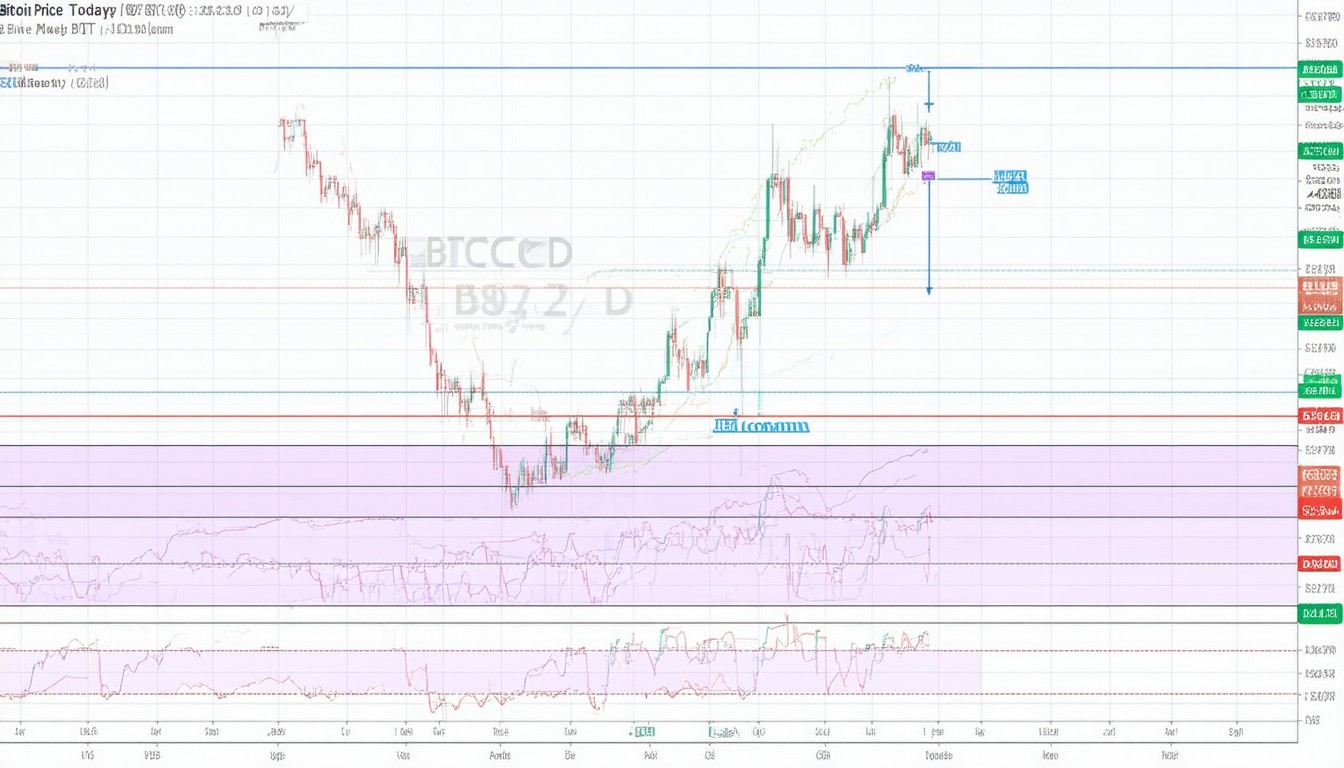
Crypto Market Crash: Causes, Impact, and What Investors Should Know


Cryptocurrencies have transformed from a fringe technological experiment to a formidable force in global finance. Despite explosive growth periods, the sector has also experienced sharp downturns—widely dubbed “crypto market crashes.” These events, marked by rapid price drops and severe investor losses, can shake confidence in both established and up-and-coming digital assets. Understanding what drives these crashes, their ripple effects, and how investors can navigate volatile conditions is fundamental to participating safely in the crypto market.
Key Drivers Behind Crypto Market Crashes
Crypto market crashes typically stem from a confluence of factors. Unlike traditional markets, the crypto ecosystem exhibits unique vulnerabilities, from its youth and regulatory uncertainty to the prevalence of speculation.
Regulatory Shocks and Legal Uncertainty
One of the most common triggers for a crypto crash is government action. Announcements of regulatory crackdowns, impending bans, or sudden changes in tax policy can cause panic selling across global exchanges. For instance, when China banned cryptocurrency exchanges and Initial Coin Offerings (ICOs) in 2017 and intensified its stance in subsequent years, the entire market faced abrupt price plunges. Regulatory developments in major economies like the United States or the European Union can have similarly outsized effects, as investors react swiftly to perceived threats to adoption or legality.
Excessive Leverage and Speculation
Leverage—borrowing funds to amplify a trading position—is widespread in the crypto world, especially on derivative platforms. During bull runs, many traders take on risky bets, expecting prices to rise. When prices instead fall sharply, forced liquidations of leveraged positions create cascading sell-offs, further amplifying volatility. This phenomenon was conspicuous during the crash of 2021, when billions of dollars in leveraged crypto positions were liquidated in hours, exacerbating market losses.
Systemic Vulnerabilities and Technical Risks
Unlike stock markets, cryptocurrencies operate within a patchwork of exchanges and platforms, each with varying infrastructure robustness. Major hacks, smart contract exploits, or failures of leading exchanges can instantly erase billions from the market, undermining confidence. The infamous Mt. Gox collapse in 2014, which saw the theft of hundreds of thousands of Bitcoins, remains a cautionary tale for centralized vulnerability. In more recent times, algorithmic stablecoin collapses and DeFi protocol hacks have triggered sell-offs as well.
Broader Market Sentiment and External Shocks
Investor behavior in crypto remains strongly driven by sentiment. External shocks—such as macroeconomic downturns, surging inflation, or financial crises—often spill over into crypto. Heightened uncertainty or negative news can lead to panic selling, irrespective of the underlying technological progress. April and May 2022 saw a dramatic correction in crypto prices alongside falls in major global equity indices, highlighting the sector’s growing interconnection with broader financial markets.
“Crypto investors must recognize that market crashes often reflect a complex interplay of psychological and structural factors—sometimes within the ecosystem, but also from the world outside,” observes Thomas Lee, co-founder of Fundstrat Global Advisors.
Real-World Impacts on Investors and the Crypto Ecosystem
The aftermath of a crypto market crash radiates far beyond price charts on trading apps. The consequences can be profound and long-lasting for individual investors, startups, and the entire digital asset community.
Immediate Losses and Forced Liquidations
Virtually all crashes result in rapid losses for those holding digital assets, especially new or heavily leveraged participants. Since the crypto market never sleeps, price movements can be relentless, and thousands of traders may face forced sales as stop-loss mechanisms or margin calls kick in. Retail investors sometimes see decades of savings wiped out in hours.
Shaken Trust and Market Participation
Crashes can erode confidence not just in specific coins, but in the promise of the technology itself. When users see major projects or exchanges fail, many exit the ecosystem entirely. Participation rates drop, trading volumes decline, and media coverage turns negative, often reigniting skeptical narratives around cryptocurrency’s fundamental viability.
Strain on Crypto Businesses and Innovations
Prolonged bear markets after crashes make fundraising to build new projects significantly harder. Startups may go under, established companies cut back on hiring, and developers seek more stable opportunities elsewhere. This cycle was evident post-2018, when the so-called “crypto winter” slowed down both mainstream interest and technical progress until sentiment recovered years later.
Resilience, Reforms, and Value Creation
Despite the destructive nature of crashes, the sector has historically emerged stronger. Market failures often accelerate technical improvements, better security measures, and more robust regulatory engagement. Developers and enterprises that endure the downturns frequently lead the next innovation cycle.
How Investors Can Respond and Protect Themselves
Surviving crypto crashes requires more than luck or technical savvy. Prudent strategies, diversified portfolios, and a long-term mindset are key to navigating these volatile episodes.
Practical Safeguards and Mindset Shifts
While no method can fully insulate an investor from downside risk, certain approaches can help limit exposure:
- Diversification: Spread investments across multiple assets and sectors—not just cryptocurrencies.
- Limiting leverage: Use borrowed funds cautiously, or not at all, to avoid catastrophic liquidations.
- Secure storage: Opt for reputable wallets and exchanges to defend against hacks.
- Education: Remain informed about crypto fundamentals, news, and regulatory shifts.
- Preparedness: Decide in advance on risk tolerance and exit strategies.
Opportunities Amid Downturns
Seasoned investors sometimes use crashes to acquire promising assets at discounted valuations, provided they maintain conviction in the technology’s trajectory. However, this approach demands rigorous research and a strong stomach for volatility.
Conclusion: Lessons from Crypto Crashes
Crypto market crashes are intense, complex events that can inflict severe damage but also spark renewal. By understanding the multifaceted causes—ranging from regulatory developments to technical lapses and macroeconomic turbulence—investors can better anticipate, withstand, and adapt to shocks. A culture of education, caution, and continuous improvement has helped the crypto market rebound from past debacles. Going forward, both individual and institutional participants must approach the space with respect for its volatility and a preparedness to navigate future cycles.
FAQs
What typically causes a crypto market crash?
Crypto market crashes often result from sudden regulatory actions, mass liquidations of leveraged positions, major hacks or technical issues, and negative sentiment due to macroeconomic events.
How risky is investing during or after a crash?
Investing during or after a crash carries significant risk but may also offer potential long-term rewards. Assessing one’s risk tolerance and conducting thorough research are crucial before making any decisions.
Can the crypto market recover after a crash?
Historically, the crypto market has recovered from major downturns, sometimes reaching new highs in subsequent cycles. However, recovery can take months or years and is never guaranteed.
How can individual investors minimize losses in volatile markets?
Minimizing losses involves diversification, careful position sizing, avoiding high leverage, storing assets securely, and continually educating oneself about risks and trends in the sector.
Is crypto more volatile than traditional assets?
Yes, cryptocurrencies are generally more volatile than traditional assets like stocks or bonds. Price swings of double-digit percentages within a single day are not uncommon.
What should I do if I own crypto during a crash?
Remain calm, avoid making hasty decisions, review your investment thesis, and stick to your exit or holding plan. Consider consulting with a financial advisor familiar with digital assets.