
U.S. Tariff: Impact, Regulations, and Latest Policy Updates

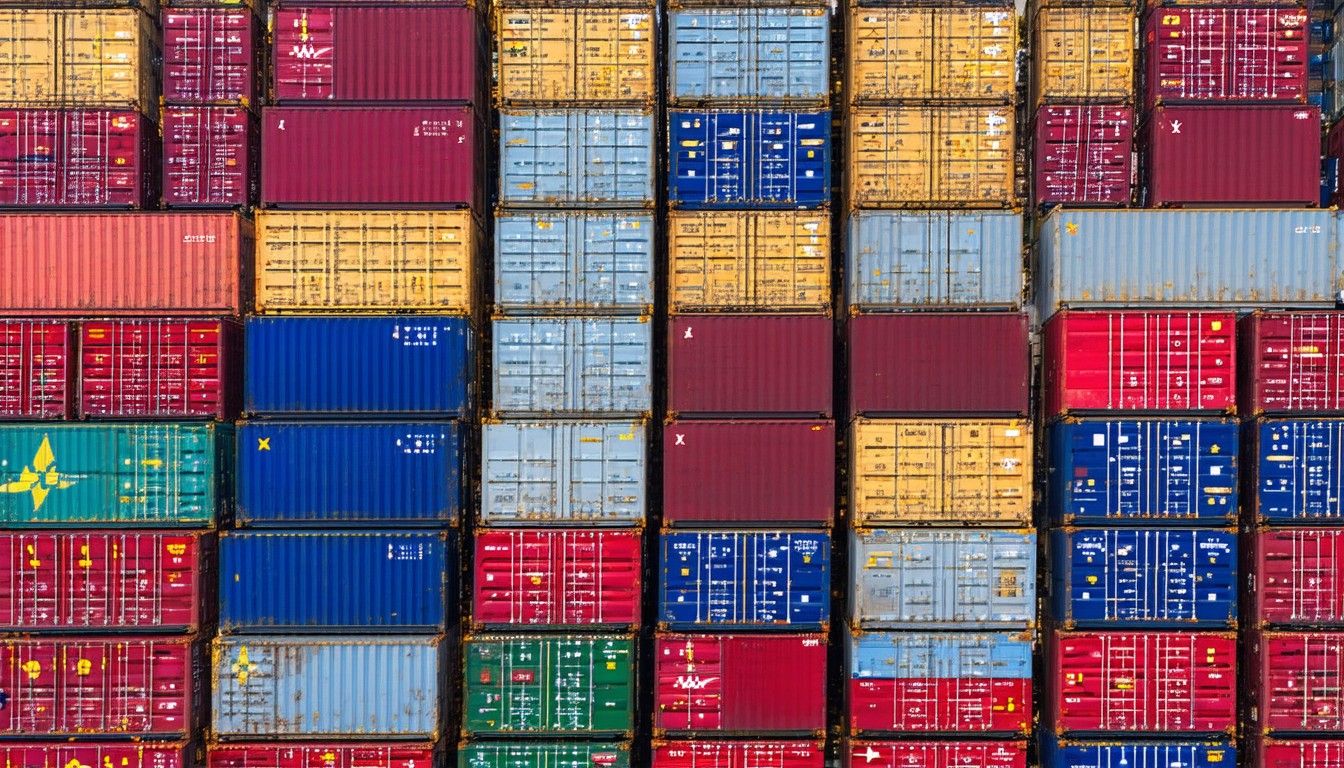
Tariffs—import taxes imposed by the U.S. government on foreign goods—have long played a pivotal role in shaping America’s economic landscape. Designed to influence trade balances, protect domestic industries, or serve as bargaining chips in international negotiations, these policy tools have ripple effects across diverse sectors. From the automotive factories in Michigan to the tech warehouses of California and the soybean farms in Iowa, tariff policy can dramatically reshape cost structures, supply chains, and competitive dynamics.
Recently, U.S. tariff policy has returned to the spotlight. Global disruptions—inflation, supply chain fragility, and rising geopolitical tensions—have reignited debates over the role of tariffs in the modern American economy. Meanwhile, businesses and consumers alike feel direct impact: prices may rise, product availability can shift, and global relationships are recalibrated in response to each regulatory update or tariff announcement.
The Mechanics of U.S. Tariff Regulations
How Tariffs Are Enacted and Collected
In the United States, tariff rates are largely established by federal statute but can be changed through executive action, particularly during periods of trade conflict or negotiation. The U.S. International Trade Commission (USITC) and Office of the U.S. Trade Representative (USTR) play key roles in crafting and recommending changes. Typically, Customs and Border Protection (CBP) collects most tariffs at U.S. ports of entry.
Tariffs can take several forms:
– Ad valorem tariffs: A percentage of the product’s value.
– Specific tariffs: Fixed fees per unit or weight.
– Tariff-rate quotas: Lower tariffs up to a certain import amount, then higher beyond that.
Rationale Behind Tariff Imposition
Tariffs are generally introduced for one or more of these core reasons:
– Protecting domestic industries from foreign competition (e.g., steel and aluminum tariffs in 2018).
– Retaliating against unfair trade practices (as seen with Section 301 tariffs on Chinese goods during the recent trade conflict).
– Raising government revenue, although tariff revenue now forms a much smaller part of the federal budget compared to earlier centuries.
“Tariffs are not simply taxes—each one is a strategic signal to national and international markets,” explains Dr. James Hines, a trade economist at the University of Michigan. “Their effects extend from direct price changes to long-term shifts in manufacturing and global supply chains.”
Economic Impact: Who Pays and How?
Effects on Industries and Consumers
The consequences of U.S. tariff policy rarely fall evenly. Domestic manufacturers often benefit from increased protection, theoretically boosting jobs and investment. However, U.S. importers typically pay the taxes up front—and those added costs can pass down the supply chain, frequently ending up in the retail price tags that consumers face.
Take, for example, the tariffs imposed on washing machines in 2018: a study by the Federal Reserve found that American consumers ultimately paid almost the entire cost of those tariffs through higher prices, as retailers and manufacturers sought to preserve their own margins.
Retaliation and Global Supply Chains
Global trade partners commonly respond in kind, introducing their own tariffs on U.S. exports. American farmers, in particular, have felt the consequences of Chinese retaliatory tariffs on soybeans and pork products, forcing producers to seek new markets or absorb losses. Multinational corporations often adjust: shifting supply chains, seeking non-tariffed sources, or even moving production abroad to circumvent tariffs.
Beyond direct effects, tariffs can manipulate the timing and scale of investments. For example, multiple auto manufacturers delayed factory expansions or unveiled new supply chain strategies following the steel and aluminum tariffs—a move both to cut costs and improve flexibility amid policy uncertainty.
Latest U.S. Tariff Updates and Policy Movements
The 2024 Tariff Landscape
As of early 2024, the Biden Administration has maintained many tariffs initiated under previous leadership but also initiated strategic reviews. The ongoing Section 301 tariffs on Chinese imports remain a key sticking point, though there have been select exclusions and modifications. Moreover, targeted tariffs on solar panels, semiconductors, and electric vehicles highlight the intersection of trade with technology policy and climate initiatives.
The Trade Policy Agenda, released annually by the USTR, signals a balanced approach. Officials increasingly pair tariffs with efforts to strengthen domestic manufacturing, invest in infrastructure, and expand trade alliances—reflecting an evolving recognition that tariffs work best as one component in a broader economic strategy.
Trends to Watch
- Selective Enforcement: Recent years have seen more targeted, sector-specific tariffs rather than across-the-board measures.
- Focus on China and Strategic Goods: Technologically sensitive industries are under renewed scrutiny.
- Negotiated Outcomes: Ongoing talks with allies, especially in Europe and Asia, aim to address common trade concerns and streamline certain tariffs.
Industry observers note that while tariffs remain a tool of first response, the trend is toward paired measures—regulatory incentives at home, and diplomatic engagement abroad.
Real-World Implications: Business Strategies and Consumer Choices
Corporate Adaptations
Businesses faced with new or higher tariffs tend to adapt in several ways:
– Rerouting supply chains or “nearshoring” production to lower-tariff countries.
– Passing increased costs to consumers, or absorbing some costs to remain competitive.
– Accelerating automation or investment in U.S.-based manufacturing.
– Lobbying for tariff exemptions or tariff-rate quota adjustments.
Case in point: After the 2018-2019 U.S.-China tariff escalation, several technology and apparel giants diversified their production networks to Southeast Asia, minimizing exposure to future trade tensions.
Consumer Impact Snapshot
For everyday Americans, tariffs can trickle down in less obvious but significant ways. A family purchasing a new home appliance, a car, or even furniture—especially goods with parts sourced globally—may notice modest to substantial cost increases. These microeconomic effects, when multiplied across millions of transactions, influence broader economic data points including inflation and consumer confidence.
Conclusion: Navigating Tariff Policy in a Changing World
U.S. tariffs remain a powerful lever in trade policy—capable of granting domestic industries temporary shelter, signaling global priorities, and serving as negotiation tools. Yet, as global supply chains grow more complex and the American economy becomes further intertwined with the world, tariff policy must balance immediate domestic goals with longer-term competitiveness and stability. For businesses and individuals, staying informed about regulatory shifts and understanding their practical implications is critical to adapting effectively.
FAQs
What is a U.S. tariff and how does it work?
A U.S. tariff is a tax imposed on imported goods, collected at the border by Customs. It raises the selling price of foreign products, with the goal of making U.S.-made alternatives more competitive.
Who ends up paying U.S. tariffs—foreign exporters or American consumers?
Although tariffs are technically paid by U.S. importers, the costs often pass along the supply chain, ultimately affecting consumer prices for tariffed goods.
What industries have been most impacted by recent U.S. tariffs?
Sectors like steel, aluminum, consumer electronics, agriculture, and automotive manufacturing have all felt significant effects from tariff policy swings in recent years.
Are there any exceptions or exclusions to U.S. tariffs?
Yes, certain goods may qualify for tariff exclusions or reduced rates through appeal or negotiation, especially if there’s a lack of domestic alternatives or strategic reasons exist.
How do U.S. tariffs affect the broader economy?
Tariffs can protect certain industries but may lead to higher consumer prices, shifts in supply chains, and retaliation from trading partners, ultimately influencing economic growth and inflation.
Is the current U.S. tariff policy likely to change soon?
While core tariffs on sectors like Chinese goods remain, policymakers continue to review and adjust rates, pursue exclusions, and engage in trade negotiations as global conditions evolve.